
What Makes Tea Truly High Quality?
What to Look for When Choosing a Premium Herbal Tea
Most people can tell the difference between a good cup of tea and an unremarkable one. Fewer know exactly why that difference exists.
Quality in tea is not always visible on the packaging. It lives in the details — in how the ingredients were chosen, where they came from, and what happens when they meet hot water. Here is what to look for.
Whole, Recognisable Ingredients
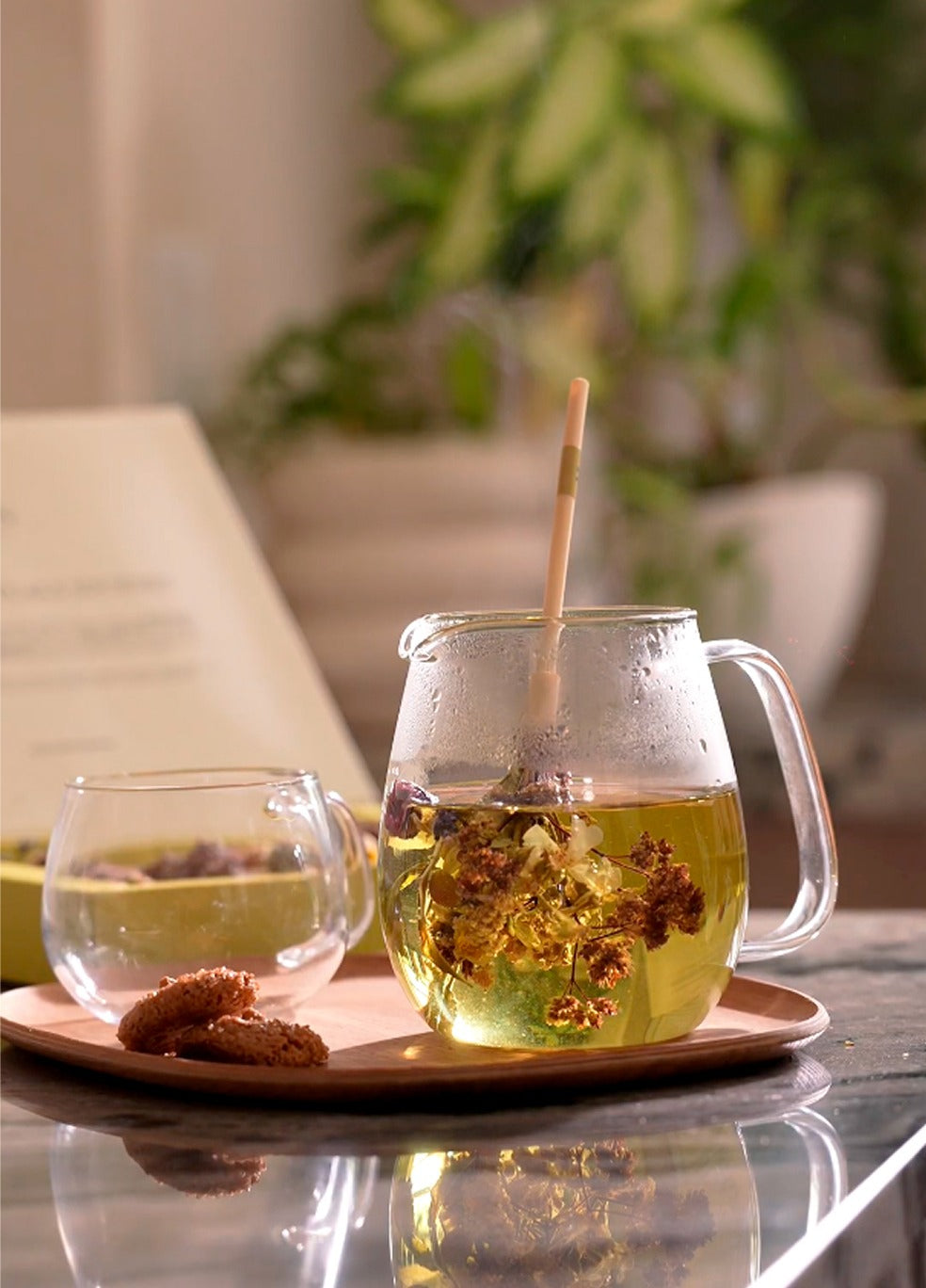
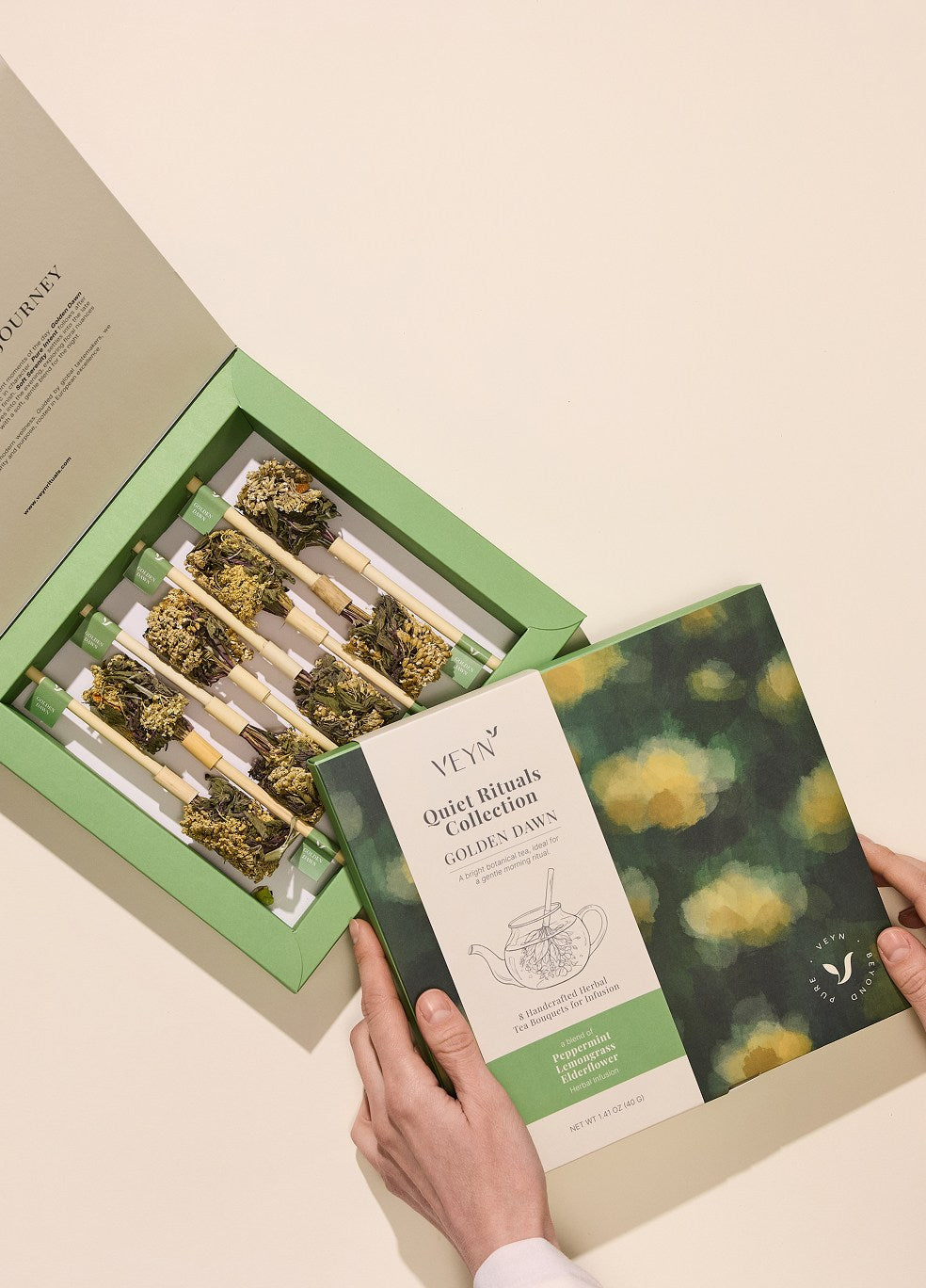
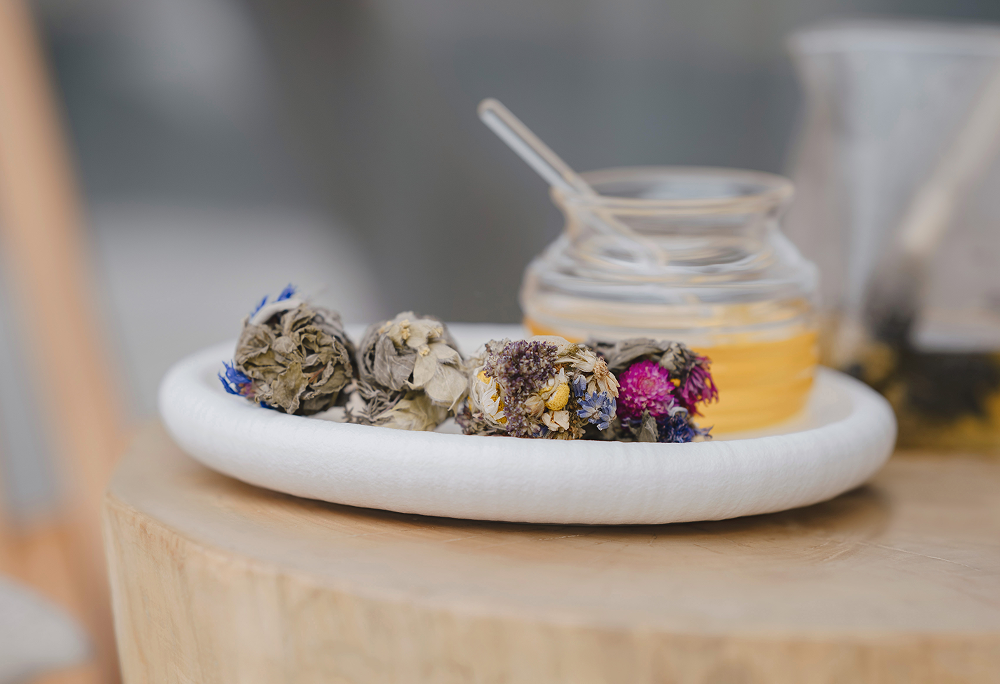
The simplest sign of quality is also the most visible: you should be able to recognise what you are drinking. Whole or minimally processed botanicals retain their natural structure, aroma, and character. A chamomile flower looks like a chamomile flower. A piece of dried orange peel still carries the warmth of the fruit. When ingredients are ground, fragmented, or hidden inside a bag, that connection is lost — and with it, much of what made them worth using in the first place.
Visibility is not decoration. It is a reflection of ingredient integrity.

Transparent Sourcing
Where an ingredient comes from matters as much as what it is.
Soil, climate, and cultivation method all shape the final character of a botanical. A herb grown with care in its natural region will taste and smell differently from one produced at scale for mass consistency. High-quality tea brands are clear about origin — not as a marketing detail, but because it genuinely affects what ends up in your cup.
The most thoughtful tea makers are proud to share the origin of their ingredients because provenance is part of the story each botanical carries.

A Preparation Process Worth Slowing Down For
Quality tea asks something of you — and that is part of what makes it worth drinking.
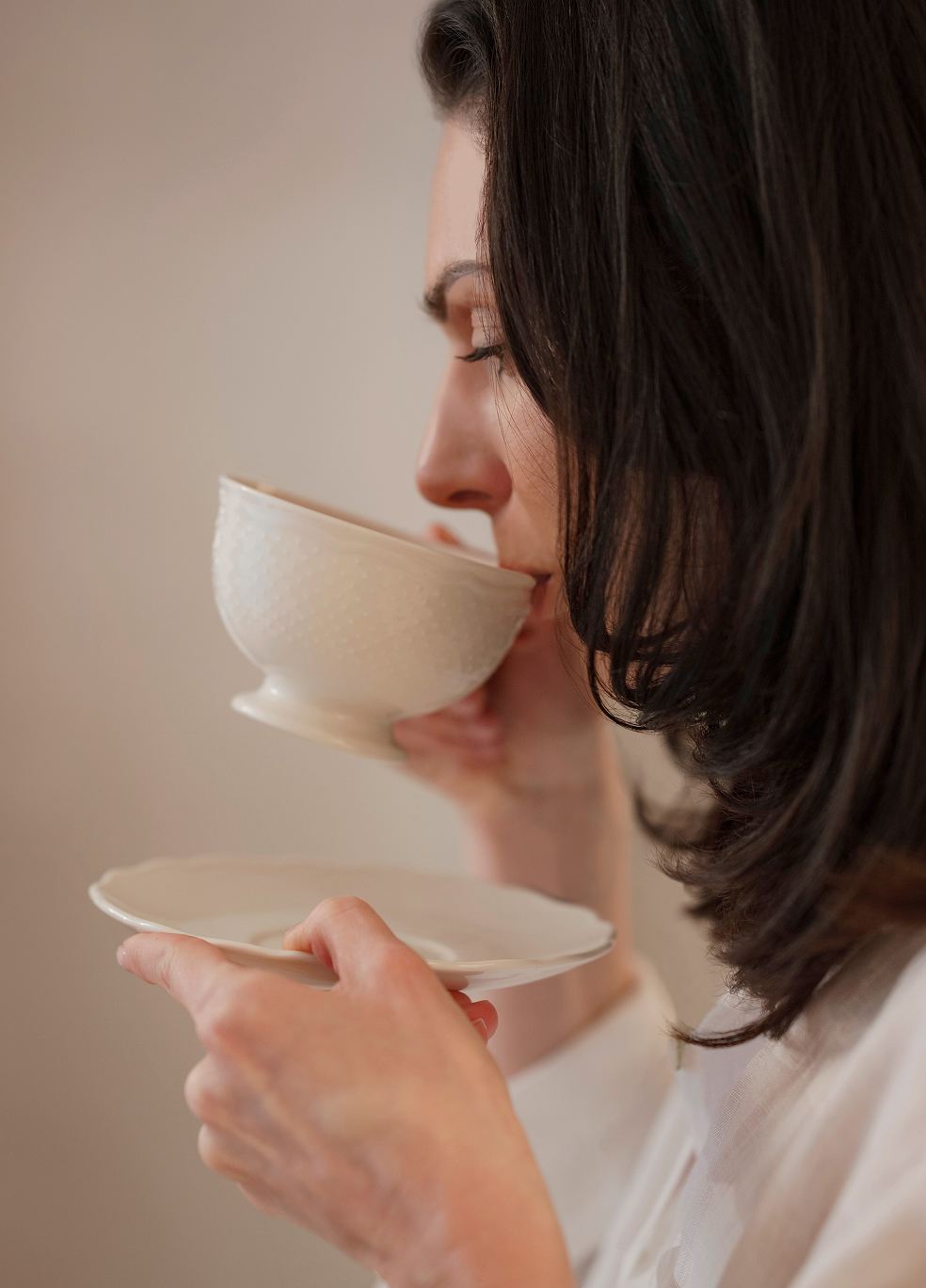
The best tea experiences are not designed for speed. They reward attention. Whether it is the time taken to heat water properly, the patience of watching a botanical slowly open, or simply the act of being present while something beautiful unfolds — preparation is not separate from the experience. It is the beginning of it.
A Sensory Experience That Goes Beyond Tast
Aroma, visual presentation, and the way a blend evolves over time all contribute to the overall experience. A high-quality herbal tea releases its character gradually — a layered profile that deepens as it steeps, aromatics that rise gently without overwhelming, and an appearance that feels considered rather than accidental.
When all of these elements work together, quality becomes something you feel rather than simply evaluate.

A Final Thought
These four qualities — visible ingredients, transparent sourcing, intentional preparation, and a full sensory experience — are not complicated standards. They are simply what tea looks like when it has been made with genuine care.